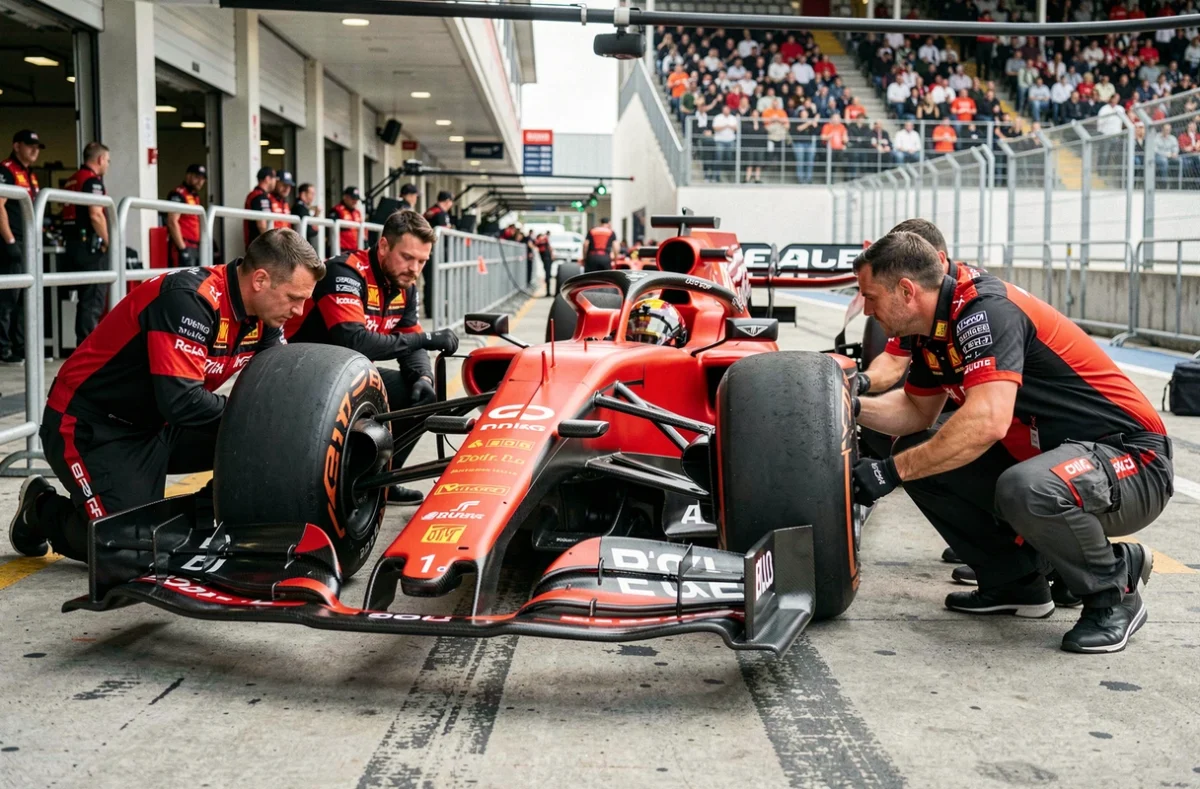
The 2026 Formula 1 season has reshuffled the grid. The removal of the MGU-H, increased power of the MGU-K, active aerodynamics: we are no longer talking about minor adjustments but a fundamental change in engine philosophy that affects every team. These developments, combined with the introduction of mandatory sustainable fuels, redefine what it means to “be fast” on a circuit.
Sustainable fuels in F1: what it concretely changes on track
Since the beginning of the 2026 season, F1 cars have been running on fuels produced from carbon capture, municipal waste, or non-food biomass. We are talking about “drop-in” fuels, compatible with existing thermal engines without major mechanical redesign.
On the ground, this translates into a different engine calibration work for engineers. The energy density of these fuels is not the same as that of conventional gasoline. Teams must adapt their injection maps and their lap-by-lap consumption strategies.
What makes this constraint interesting is that it does not slow down the race. It simply requires rethinking the management of available energy. You can regularly find news on maconsport-automobiles.com to follow how these rules influence performance in competition.
The development of these fuels has been described as a “brutal” race by championship stakeholders. Several suppliers have competed to propose formulations that comply with FIA requirements while maximizing efficiency. Fuel becomes a performance parameter in its own right, on par with aerodynamics or the powertrain.
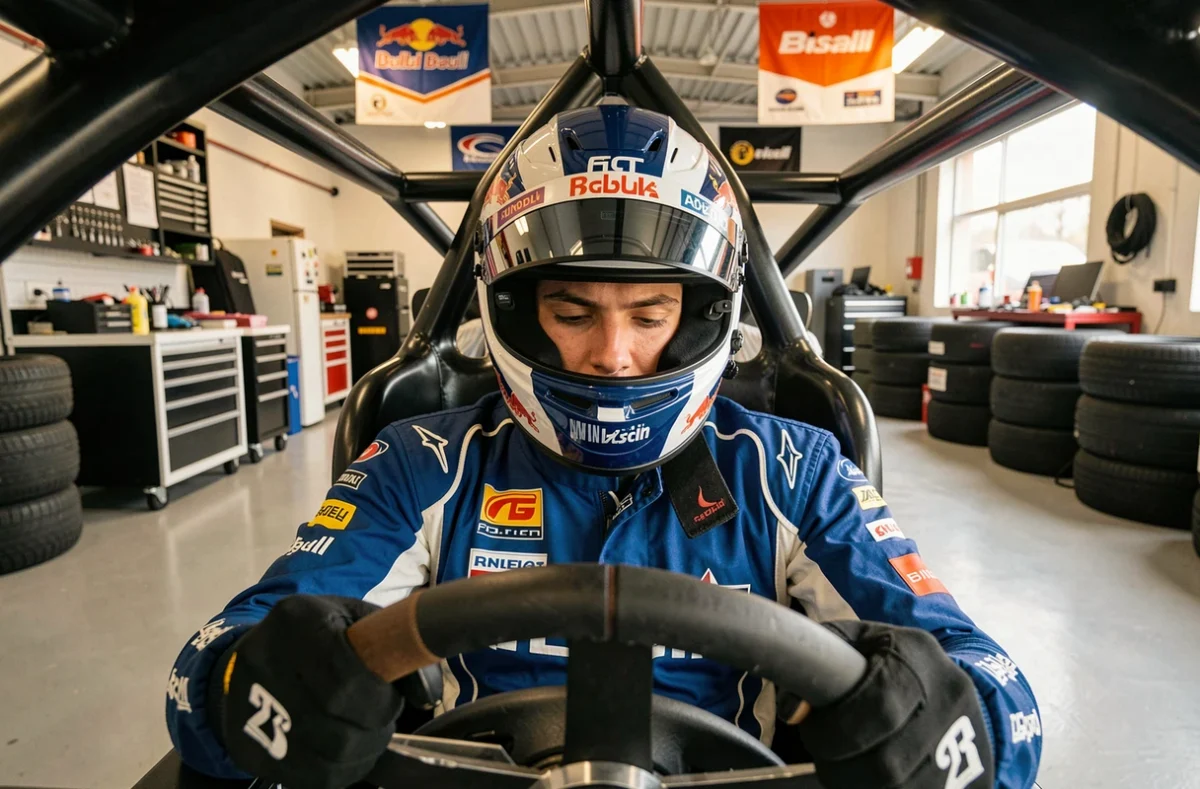
F1 Engine Regulation 2026: the MGU-K takes control
The removal of the MGU-H is the most significant technical change of this new era. This component, which recovered energy from exhaust gases via the turbo, has disappeared from the regulations. In return, the MGU-K sees its electrical power significantly increased.
In practice, energy recovery phases during braking become crucial. A team that optimizes its recovery zones better saves time without even touching thermal power. Feedback varies on this point depending on the circuits, as tracks with high deceleration favor this system more.
Active aerodynamics, an energy management tool
The other regulatory novelty concerns active aerodynamic devices. The single-seaters can reduce their drag in a straight line thanks to movable elements. We are no longer just talking about the traditional DRS but a more comprehensive system that modifies the car’s profile according to driving phases.
The objective is twofold: to improve overtaking and reduce energy consumption in fast sections. Performance shifts towards intelligent energy management rather than just the raw power of the thermal engine.
Shorter races starting in 2027: why the FIA is shortening Grands Prix
The FIA has approved a reduction in the maximum distance of Grands Prix, from 305 to 290 kilometers, applicable from 2027. This decision stems directly from the new relationship between thermal power and electrical power established by the 2026 regulations.
Concretely, with a more utilized MGU-K and fuels with different energy densities, maintaining the historical race distance imposed too significant performance compromises. Shortening Grands Prix helps preserve sporting intensity without degrading the spectacle.
This rule still needs formal approval from the World Motor Sport Council. The implications also affect team logistics: less distance means recalculated tire and energy strategies.
Formula E and WEC: the other championships that are evolving
F1 is not the only field of innovation. In Formula E, TCS has renewed its partnership with Jaguar TCS Racing and expanded its role as an official partner in artificial intelligence for the Gen4 era. AI is used to analyze race data in real-time and optimize energy strategies during ePrix.
On the WEC (World Endurance Championship) side, the 2026 season sees Peugeot Sport engaged in the 6 Hours of Fuji with logistics adapted to intercontinental constraints. The LMDh and LMH Hypercars share the grid in a multi-manufacturer format.
- In Formula E, artificial intelligence is now involved in strategic optimization during the race, not just in preparation
- The WEC maintains a multi-manufacturer format with regulations that allow Hypercars from different brands to compete directly
Motorsport in 2026 is no longer limited to a single championship. Innovations flow between disciplines: what is tested in Formula E eventually influences F1, and vice versa. The sustainable fuels from F1 could eventually be adopted in other categories, while the AI tools developed in Formula E are already serving as a reference for endurance teams.
The next milestone to watch remains the formal validation of the shortened races for 2027. This milestone will determine the technical direction of motorsport for the coming years.