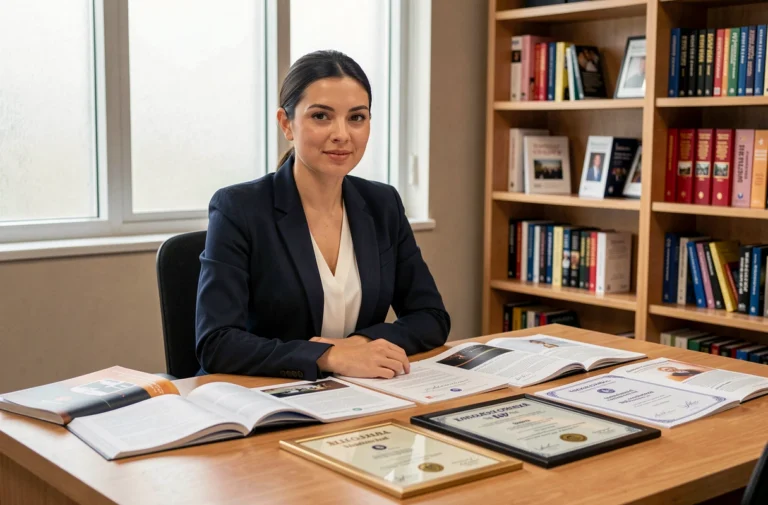
Well-being on a daily basis is receiving increasing attention from public authorities in France. Anses has strengthened its recommendations on sedentary breaks, Santé publique France now offers preventive assessments at key ages, and sleep has a dedicated national roadmap. This institutional framework changes the way health habits are approached: generic advice on sports or relaxation is no longer sufficient to address real issues.
Sedentary Behavior at Work: Why Exercise Alone Is Not Enough
Exercising in the morning or evening does not negate the effects of a day spent sitting. Anses now recommends getting up and walking for a few minutes every half hour, rather than waiting several hours between movements.
This distinction between physical inactivity and sedentary behavior changes the game. A person who runs three times a week but sits for eight hours straight at the office still maintains a sedentary profile according to current criteria. The platforms that can be consulted for everything about Cap Bien-être precisely detail this connection between regular movement and structured sports activity.
In practical terms, interrupting a sitting position does not require equipment or dedicated time. A few options work in a professional setting:
- Holding some short meetings while walking, in a hallway or outside, which combines a sedentary break with professional exchange
- Setting a discreet alert on your phone or computer to get up regularly, even for thirty seconds
- Placing the printer or coffee machine away from the workstation to force frequent movement
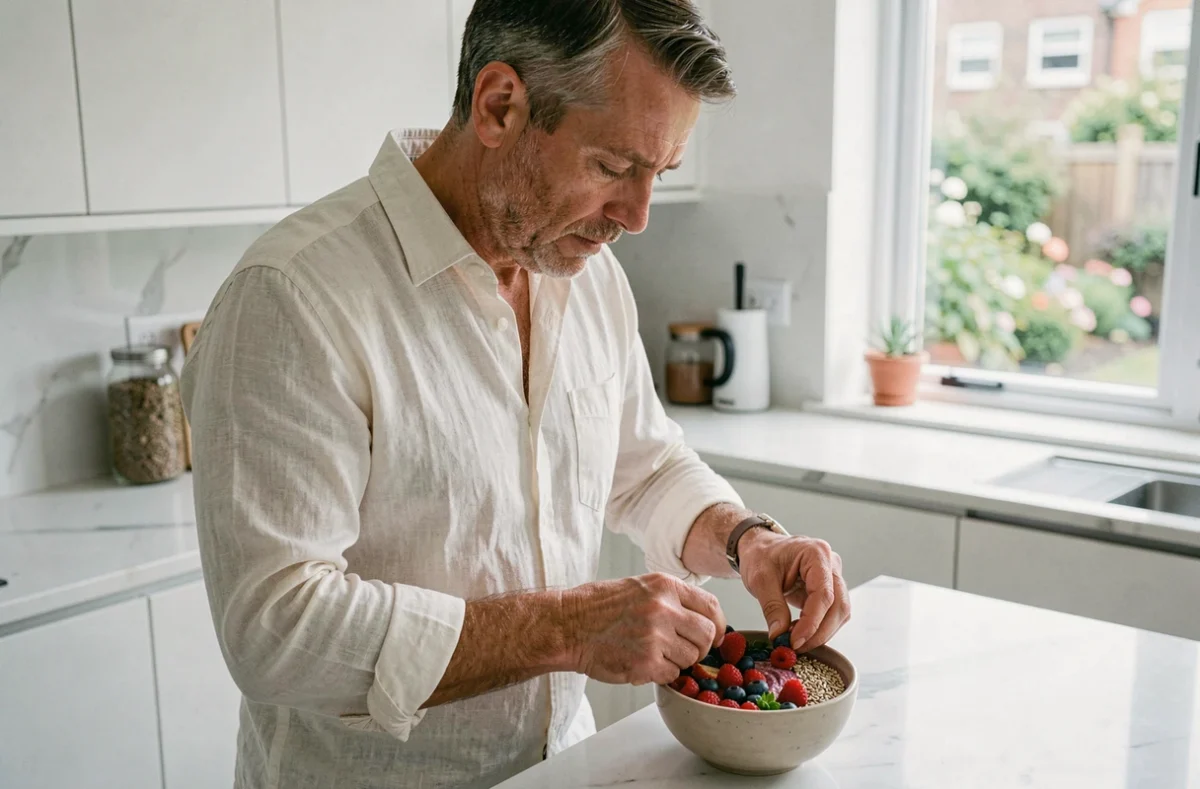
Health Prevention Assessment: A Still Little-Known Device
Santé publique France has established preventive appointments at key ages in life. During these consultations, a health professional discusses sleep, physical activity, mental health, and eating habits, then helps define priorities tailored to each person’s situation.
This device represents a shift in approach compared to identical advice lists for everyone. A personalized assessment identifies priority levers rather than proposing a standard routine. Someone whose sleep is adequate but whose work stress is high does not need the same adjustments as a sedentary person who sleeps poorly.
The management of these assessments makes them accessible without upfront costs, which removes a financial barrier often underestimated in access to prevention. Checking eligibility with a primary care physician or health insurance remains the first concrete step.
Sleep and Public Health: An Issue That Goes Beyond Evening Routines
Sleep is now the subject of a national roadmap in France. This institutional recognition marks a turning point: sleep is treated as a public health issue, not just a simple relaxation tip to be tucked at the end of a list.
Classic recommendations (limiting screens, going to bed at a fixed time) remain valid, but they only cover part of the problem. Sleep disorders can have physiological, environmental, or psychological causes that require medical diagnosis. A recurring nighttime noise, undetected sleep apnea, or a chronobiological shift related to work hours cannot be resolved with herbal tea.
One of the contributions of this roadmap is to structure the training of health professionals on sleep. Many general practitioners did not have a standardized protocol for assessing sleep quality during a routine consultation. Asking about sleep during consultations becomes a medical reflex, allowing for earlier detection of chronic disorders.
Screens and Sleep: Recent Data
Santé publique France has published studies on the impact of increasing screen exposure, particularly on the health of young people. The link between intensive evening screen use and deterioration in sleep quality is documented, but the mechanisms vary depending on the type of screen, the content viewed, and the duration of exposure. The available data do not yet allow for setting a universal threshold beyond which the impact becomes systematically negative.

Social Connection and Well-Being: What the WHO Places on Par with Exercise
In 2025, the WHO highlighted social connection as a health determinant as important as physical activity. This position shifts the focus: well-being is not limited to individual habits like eating better or sleeping better.
Social isolation produces measurable effects on cardiovascular health, the immune system, and mental health. People who maintain regular interactions (not necessarily numerous, but of quality) show better indicators in these three areas.
Maintaining social connections does not mean multiplying outings or events. Regular exchanges with a few close individuals, participation in a local collective activity, or simply non-digital conversations contribute to this balance. In contrast, interactions that are exclusively online, while maintaining contact, do not reproduce the same protective effects as in-person exchanges.
Daily Well-Being: Beyond Individual Habits
The current trend in public health is to intersect several determinants rather than treating them separately. Sleep, physical activity, nutrition, and social connection interact: improving one factor without considering the others yields limited results. A personalized preventive assessment, like those offered by Santé publique France, helps identify which factors deserve priority attention based on each person’s profile.
Recent public initiatives (sleep roadmap, Anses recommendations on sedentary behavior, preventive assessments) outline a more structured framework than the usual lists of tips. However, access to these resources still largely depends on the available information and the training of primary care health professionals.