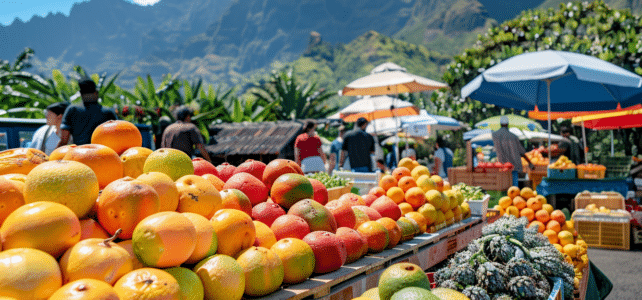
Settling in Réunion means choosing a unique living environment in the heart of the Indian Ocean. Between its paradise beaches, steep mountains, and rich Creole culture, the island offers a total change of scenery. This destination is not just about its enchanting landscapes.
Be sure to understand the local specifics before packing your bags. The cost of living is higher than in mainland France, particularly due to the importation of many products. The tropical climate can be surprising with its seasons marked by intense rains and cyclones. Integration into the Réunionese community requires an open mind to fully appreciate the island’s cultural and linguistic diversity.
The administrative and logistical steps to settle in Réunion
Réunion, a French island located in the Indian Ocean, imposes certain administrative and logistical steps for a successful settlement. As an overseas department, it is an integral part of France, which simplifies formalities for French citizens. A few specifics must be considered.
Administrative steps
- Residence and work: being a French department, no visa formalities are required for French citizens. However, in terms of work, the job market remains challenging with a high unemployment rate.
- Public services: the carte vitale and other administrative services are the same as in mainland France. Be sure to register quickly with the local social security and tax services to avoid any inconvenience.
Logistics
- Transport of goods: for moving, several companies like Outremer Transit operate in Réunion. Be prepared for longer transport times and additional costs related to insularity.
- Mobility on-site: the road network, although comprehensive, is often congested. Traffic jams are common, especially on the Route des Tamarins and the Route du Littoral. The Car Jaune bus network allows for travel across the island, but a car is often necessary.
Where to live in Réunion
To choose where to live in Réunion, several factors come into play: the climate, accessibility, and infrastructure. Saint-Denis, the capital, offers many amenities and is well served. For a more relaxed atmosphere, Saint-Gilles and Saint-Pierre are popular for their pleasant living environment and beaches. The Route des Tamarins effectively connects Saint-Paul and L’Étang-Salé, facilitating travel between these areas.
Living in Réunion: cost of living, housing, and integration
Réunion, a multifaceted French island, has a higher cost of living than in mainland France, particularly regarding food. Imported products, subject to taxes and transport fees, see their prices rise. To limit expenses, prioritize local markets and seasonal products.
Housing
The Réunion real estate market is varied, but prices can be surprising. In Saint-Denis, the administrative capital, rents are comparable to those in major cities in mainland France. For a more peaceful living environment, Saint-Paul and Saint-Pierre offer interesting alternatives:
- Saint-Denis: administrative center with modern amenities.
- Saint-Paul: proximity to beaches and a relaxed atmosphere.
- Saint-Pierre: dynamism and pleasant quality of life.
Integration
Integration in Réunion relies on understanding and respecting its cosmopolitan culture. The population, coming from diverse backgrounds, has managed to create a unique model of living together. Learn a few words of Creole to break the ice and participate in local events, such as Dipavali or Tamil New Year.
Practical tips
For a successful settlement, adopt a few local habits:
- Drive carefully: the road network is often congested.
- Enjoy the many hikes, especially at Piton de la Fournaise.
- Respect environmental standards, as the island is a UNESCO World Heritage site.
Réunion, rich in its landscapes and cultural diversity, offers a unique living environment.