Corinth occupies a unique position in the Peloponnese: a transit city for many travelers eager to reach Nafplio or Epidaurus, it remains underdocumented for its artisanal fabric and open-air markets. The markets of Corinth reflect a structural transformation linked to Greek economic recovery policies and European traceability standards, two factors that profoundly change what is found on the stalls.
European health standards and open-air markets in Corinth
Tourist content about Greek markets emphasizes the picturesque, colors, and flavors. It overlooks a phenomenon that shapes the actual offer: compliance with European Union regulations regarding labeling, traceability, and sales conditions.
In recent years, Greece has strengthened controls on open-air markets in the Peloponnese, including those in the Corinth region. Labeling and the origin of products are now checked more strictly, leading to the gradual disappearance of certain non-compliant or undeclared products.
For visitors, this means a clearer offer: the olive oils, honeys, or herbs sold at Corinthian markets have more origin mentions than a few years ago.
Exploring local craftsmanship in Corinth benefits from integrating this regulatory framework, which distinguishes truly local products from imports sold as regional.
However, this regulatory framework has a cost for small producers. Some artisans, unable to finance the compliance of their workshops or labeling, have withdrawn from official markets. Available data do not allow for precise quantification of this phenomenon in Corinth, but field reports vary on this point: some observers see it as a market cleansing, while others see a loss of artisanal diversity.
Short circuits and direct sales in the Peloponnese: what has changed after Covid
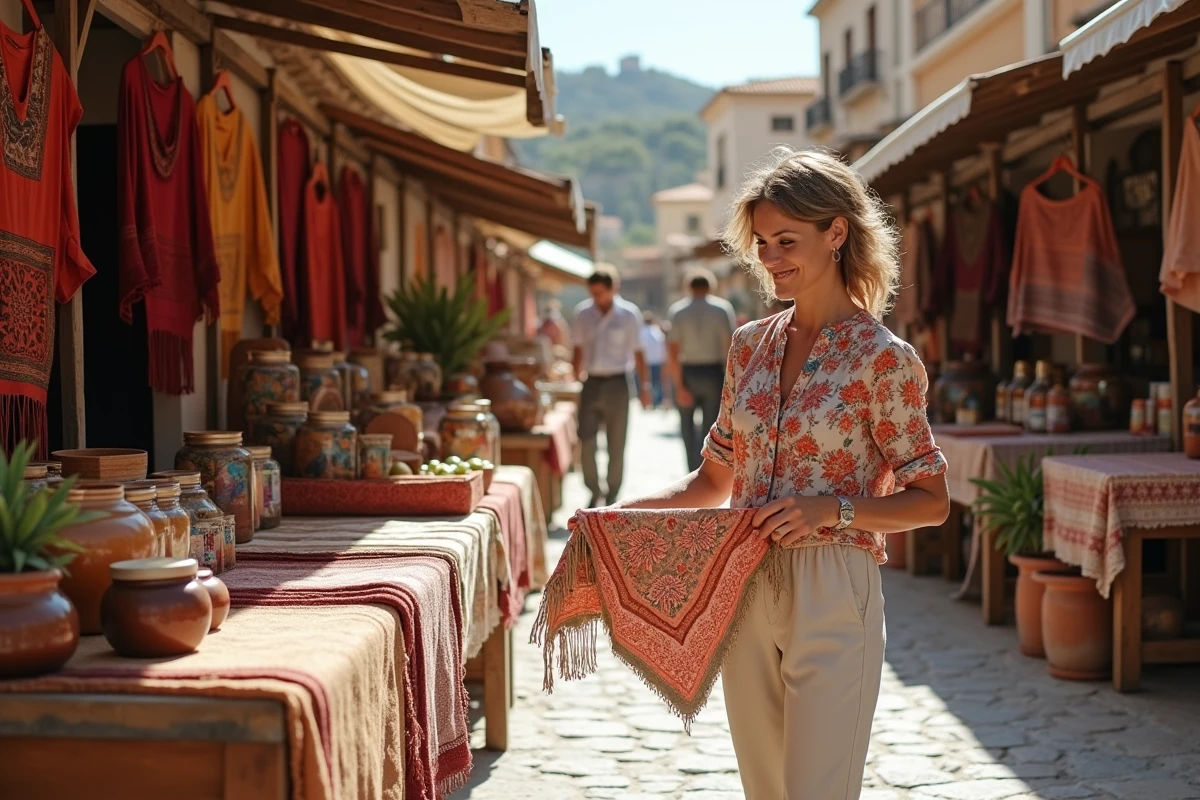
Since the health crisis, the food markets of Corinth and its region have seen an increase in stalls run directly by producers without intermediaries. This movement is part of broader Greek initiatives to support food sovereignty and the local economy of the Peloponnese.
This shift towards short circuits changes the very nature of what is called an “authentic market.” Where stalls previously offered products bought in bulk and resold, there are now more producers selling their own harvests: olives, citrus fruits, dried figs, mountain herbs.
What can be found concretely at Corinthian stalls
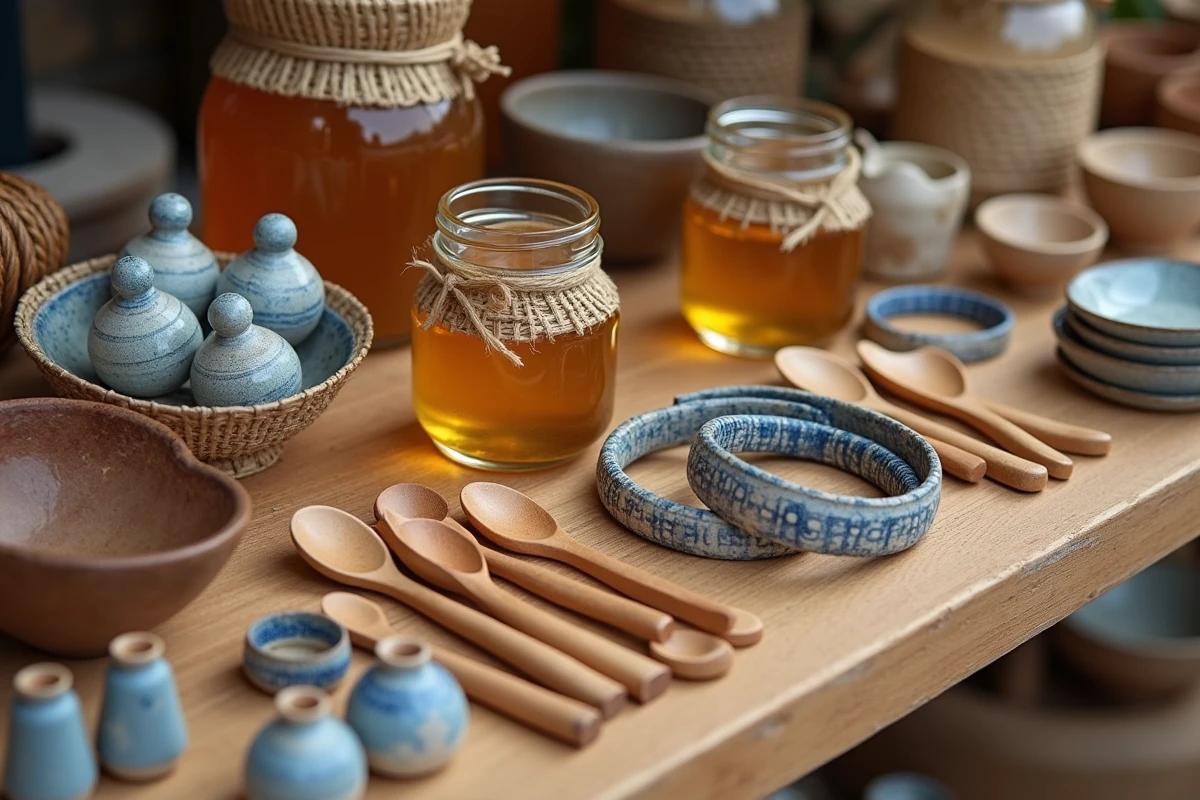
- Olive oils produced in family farms in the Corinth plain, with mention of the estate of origin and sometimes a Greek quality label
- Artisanal jams and preserves made by local cooperatives that have structured themselves after the economic crisis
- Herbs (oregano, thyme, sage) harvested from the hills of the Peloponnese, sold in bulk or in labeled bags
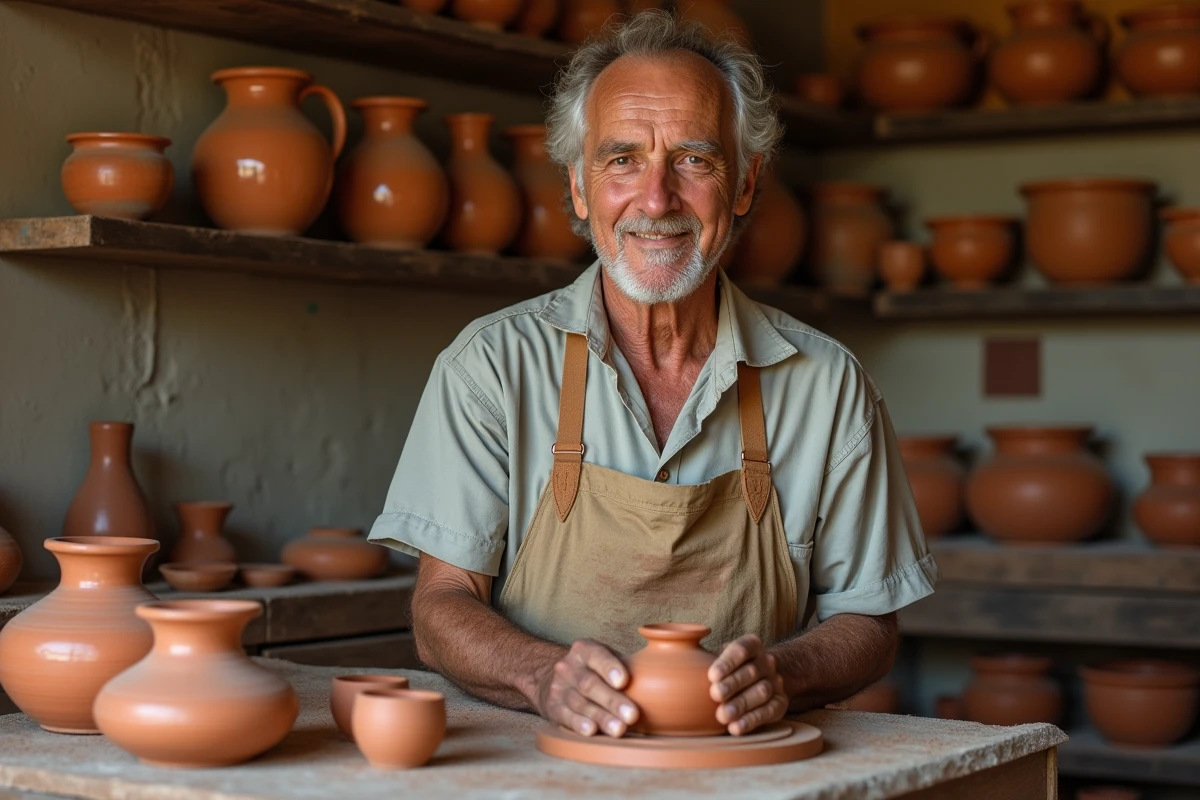
- Utility and decorative ceramics, often produced in small suburban workshops rather than in the city center
Direct sales by producers constitute the main structural change in these markets in recent years. Tour operators specializing in mainland Greece are beginning to include visits to estates and cooperatives in their circuits, in addition to urban markets.
Corinthian craftsmanship outside the markets: estates and cooperatives to visit
The open-air markets represent only a part of local craftsmanship. Around Corinth, cooperatives and farms offer direct sales that escape traditional tourist circuits. This dispersed offer remains difficult to spot without local recommendations or going through a specialized tour operator.
The olive and wine cooperatives of northern Peloponnese sometimes welcome visitors for tastings and on-site sales. These structures do not appear on public activity booking platforms, which explains their near absence from usual search results.
Corinthian ceramics, inheriting an ancient tradition well documented by the city’s archaeological museum, survives in a few workshops. Field reports vary on the actual vitality of this craft: while utility pottery has almost disappeared in favor of industrial production, some ceramists continue to perpetuate traditional firing and glazing techniques in the outskirts of Corinth.
Corinth facing Athens and Nafplio: an artisan market without an aggregator
Athens concentrates the Greek tourist offer in terms of markets and craftsmanship. Booking platforms list dozens of guided tours for Monastiraki or Plaka, with reviews, photos, and instant booking. Nafplio, further south, benefits from its reputation as a picturesque city in the Peloponnese.
Corinth has no comparable aggregator. No major platform lists a guided tour of the Corinthian markets, placing the city in a blind spot of organized cultural tourism. For travelers, this implies an autonomous approach: going to the weekly market, spotting producer stalls, engaging in conversation.
This absence of tourist mediation has a positive downside: the markets of Corinth remain frequented mainly by locals. Prices are not inflated by tourist demand, and the offer reflects local consumption habits rather than a staged presentation for visitors.
What is missing for Corinth to become an artisan destination
- A listing of local artisans and producers on travel platforms, even basic
- Signage in English or French at the open-air markets, almost non-existent today
- Reliable and updated market hours and days online, information that is difficult to find before departure
The city of Corinth has a real artisanal heritage, backed by a millennia-old history of ceramic and agricultural production. Its market reflects the profound changes in the Greek local economy, between European regulation and post-Covid short circuits. The experience remains raw, without tourist filter, which is both its main asset and its main limitation for travelers seeking authenticity in the Peloponnese.